

Key Points
- Veeam India chief says India’s tech progress must be judged by recovery capability not just innovation
- Cyber resilience gap exists between confidence in systems and actual restoration ability
- Digital transformation extending beyond metros narrows tolerance for downtime
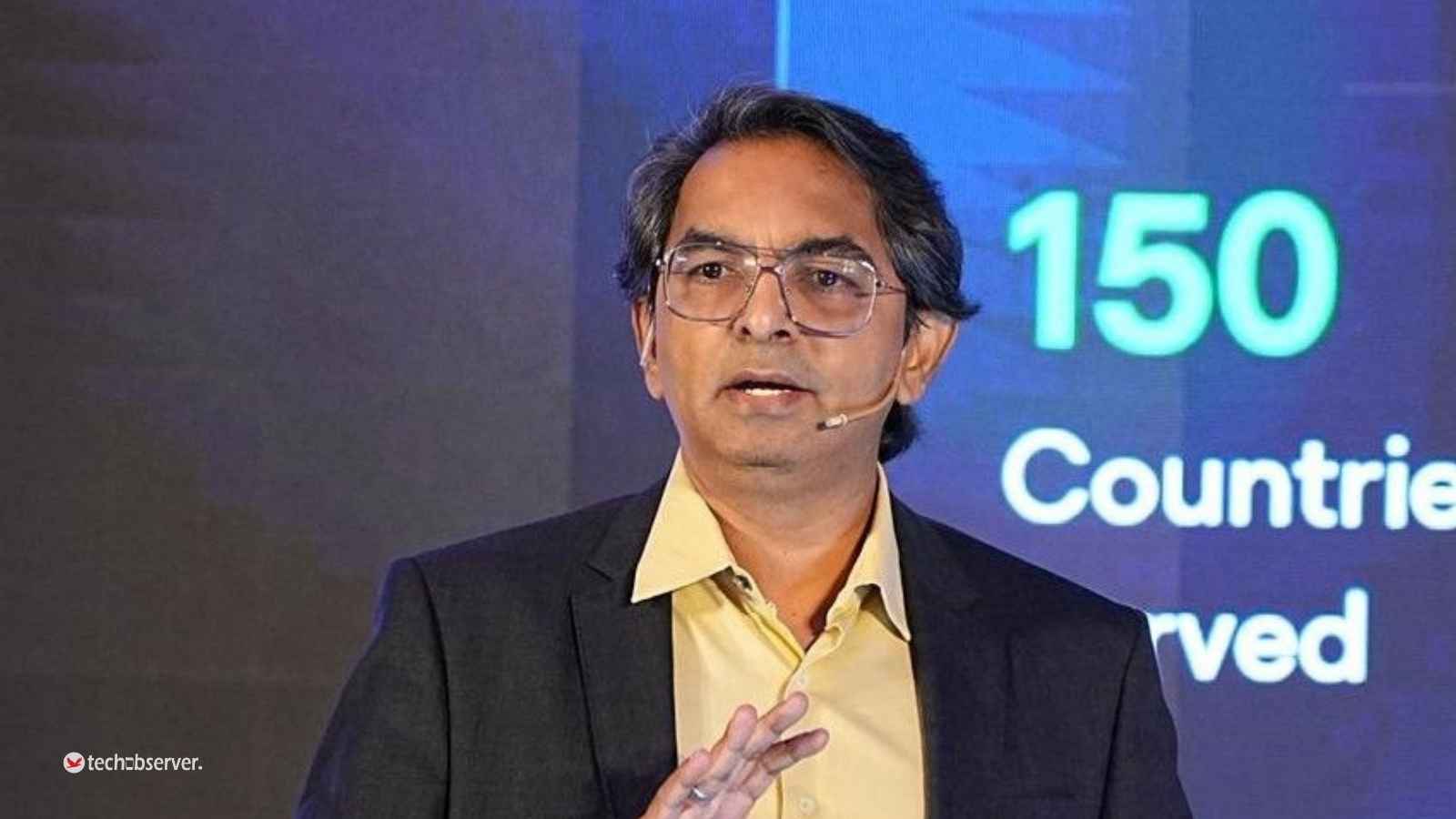
India’s standing as a global technology powerhouse will ultimately depend not on the pace of innovation but on its ability to recover when systems fail, according to Sandeep Bhambure, vice president and managing director for India and SAARC, Veeam Software.
Speaking on the occasion of National Technology Day, observed annually on 11 May to commemorate India’s nuclear tests at Pokhran in 1998, Bhambure said cyber resilience — the ability to restore operations quickly after disruption — now sits at the heart of the country’s digital ambitions.
EVENT

Saksham Bharat 2026
A multi-stakeholder dialogue on skilling gap in Cybersecurity, Data Resilience and AI — and the roadmap to a Saksham Bharat.
EVENT


VeeamON 2026 Tour India – Mumbai
A VeeamON 2026 India Leadership Series Mumbai for senior public sector and government technology leaders.
EVENT


Cyber Surakshit Uttar Pradesh
Find out strategies, frameworks and solutions for building a resilient and secure digital ecosystem across Uttar Pradesh.
EVENT


VeeamON 2026 Tour India – Bengaluru
A VeeamON 2026 India Leadership Series Bengaluru for senior public sector and government technology leaders.
EVENT


VeeamON 2026 Tour India – Delhi
A VeeamON 2026 India Leadership Series Delhi for senior public sector and government technology leaders.
EVENT


Infosec Reimagined
Infosec Reimagined 2026 is the premier information security summit where top leaders—CISOs, CROs, CIOs, CTOs and risk executives—converge to redefine cyber resilience.
EVENT


Digital Senate
Digital Senate is a premier conference uniting government leaders, technologists and innovators to share ideas, success stories and strategies on digital governance, public sector transformation, cybersecurity and emerging technologies in India.
EVENT


CIO Prism
CIO Prism unites forward-thinking technology leaders to exchange transformative insights, shape digital strategies, and foster innovation, empowering enterprises to excel in an era of rapid technological change.
“As AI, cloud and digital services become embedded in businesses, public services and critical infrastructure, the defining question is no longer how fast India can digitise, but how well it can recover when disruption inevitably occurs,” Bhambure said.
Gap between confidence and capability
The Veeam India chief pointed to a persistent disconnect between how prepared organisations believe their systems are and how those systems actually perform under real-world pressure. This gap, he argued, carries immediate consequences when data becomes unavailable.
“When data becomes unavailable, the impact is immediate: operations stall, services are disrupted, and trust is difficult to regain,” Bhambure said. “In those moments, resilience is measured not by intent, but by outcomes.”
Cyber resilience refers to an organisation’s capacity to anticipate, withstand, recover from and adapt to adverse conditions, stresses and attacks on systems that use or are enabled by digital infrastructure.
Unlike traditional cybersecurity, which focuses primarily on preventing breaches, cyber resilience assumes that disruptions will occur and prioritises the speed and reliability of recovery.
Advertisement
Digital expansion beyond metros
Bhambure said the resilience challenge takes on particular urgency as India’s digital transformation extends beyond major metropolitan centres into smaller cities and emerging sectors.
With more organisations and citizens relying on always-on digital services, the tolerance for downtime continues to narrow.
“Building resilience into systems from the outset — including the ability to recover data quickly and reliably — becomes foundational to sustainable progress,” he said.
India has invested heavily in digital public infrastructure over the past decade, deploying systems such as the Unified Payments Interface, Aadhaar-based authentication and the CoWIN vaccination platform at population scale.
The government‘s Digital India programme aims to extend connectivity and digital services to remote and underserved areas.
However, as dependency on these systems grows, so does the potential impact of outages. Banking services, healthcare delivery, government benefit disbursements and private sector operations increasingly rely on uninterrupted access to digital infrastructure.
Reliability as the benchmark
Bhambure said India has already demonstrated its ability to build and operate digital systems at national scale. The next phase, he argued, requires ensuring those systems remain reliable precisely when they are needed most.
“Progress that assumes disruption will not happen is fragile,” he said. “Progress that plans for recovery, and earns trust through continuity, is what endures.”
Veeam Software, headquartered in the United States, provides data backup, disaster recovery and data management solutions for cloud, virtual and physical environments.
The company operates in over 150 countries with offices in more than 35 countries worldwide and claims over 4.5 lakh customers globally.
Your Questions, Answered
What is National Technology Day in India?
National Technology Day is observed annually on 11 May to commemorate India’s nuclear tests at Pokhran in 1998. The day celebrates Indian scientific and technological achievements.
What is cyber resilience?
Cyber resilience is an organisation’s capacity to anticipate, withstand, recover from and adapt to disruptions affecting digital systems. Unlike traditional cybersecurity that focuses on prevention, cyber resilience prioritises rapid recovery when breaches occur.
Why is cyber resilience important for India’s digital transformation?
As India extends digital services beyond metros to smaller cities and more citizens depend on always-on services, tolerance for downtime narrows. Systems must be able to recover quickly to maintain trust and continuity.
What is Veeam Software?
Veeam Software is a US-headquartered company providing data backup, disaster recovery and data management solutions for cloud, virtual and physical environments. It operates in over 180 countries.