

Key Points
- Over 1.2 crore manuscripts reported under Gyan Bharatam Mission digitisation drive
- Workshop convened over 200 representatives from states and custodial institutions
- Ministry developing AI-enabled national digital manuscript ecosystem with access policy framework
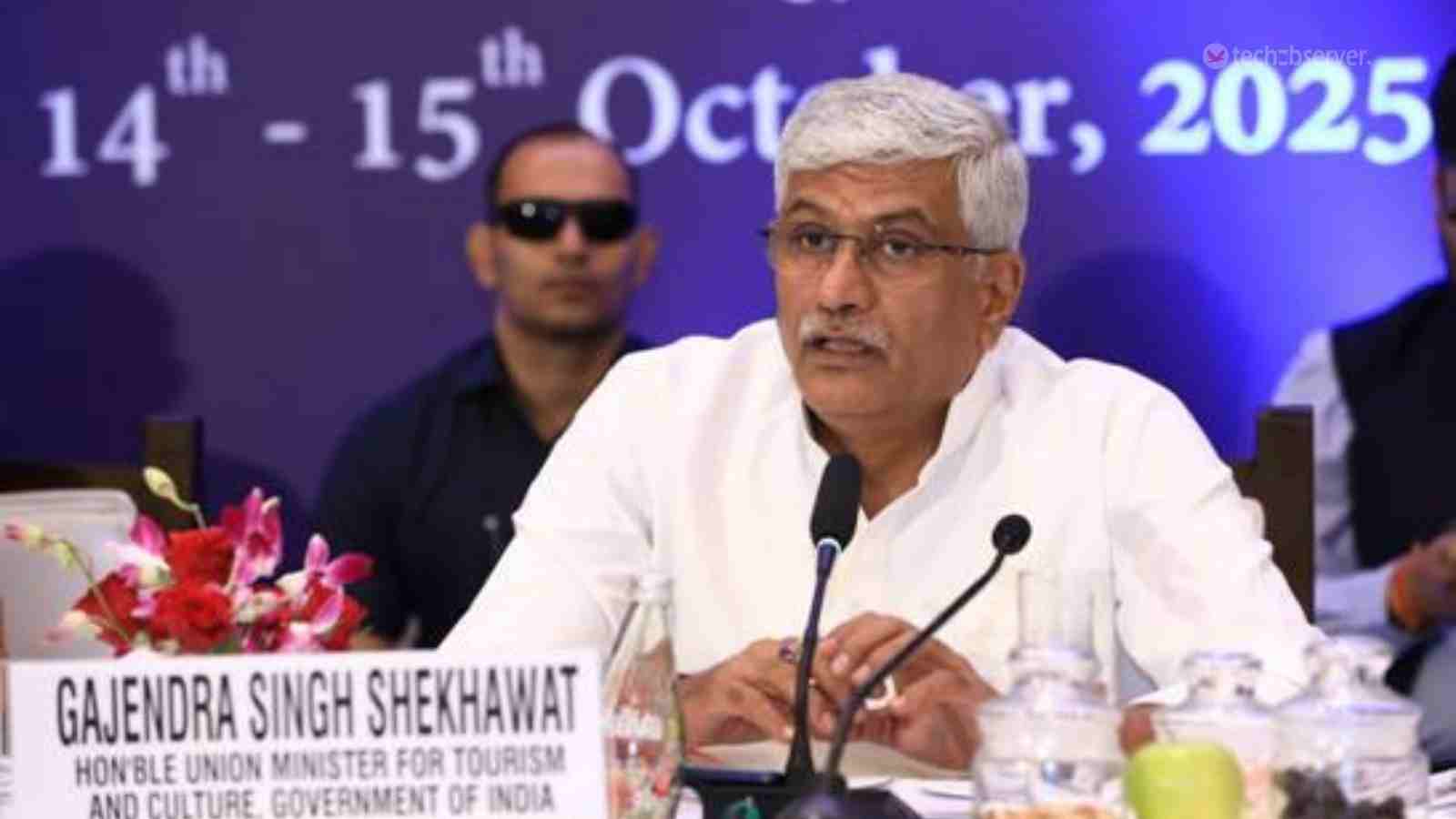
India has documented over 1.2 crore manuscripts across states and union territories under the Gyan Bharatam Mission, the Ministry of Culture announced at a national workshop in New Delhi on Friday (31 July). The workshop brought together more than 200 representatives from state governments, custodial institutions, scholars and technology partners to standardise digitisation practices.
Gajendra Singh Shekhawat, Union minister for Culture, described the milestone as a coordinated national effort to safeguard centuries-old knowledge. The manuscripts span philosophy, Ayurveda, literature, mathematics, yoga and other knowledge systems preserved across India’s archival institutions.
EVENT

Infosec Reimagined
Infosec Reimagined 2026 is the premier information security summit where top leaders—CISOs, CROs, CIOs, CTOs and risk executives—converge to redefine cyber resilience.
EVENT


Digital Senate
Digital Senate is a premier conference uniting government leaders, technologists and innovators to share ideas, success stories and strategies on digital governance, public sector transformation, cybersecurity and emerging technologies in India.
EVENT


CIO Prism
CIO Prism unites forward-thinking technology leaders to exchange transformative insights, shape digital strategies, and foster innovation, empowering enterprises to excel in an era of rapid technological change.
EVENT

National DefTech Summit
Featuring keynotes, expert panels, live tech demos and strategic networking, the summit will drive actionable insights for defence sector.
“Our ancestors and sages created manuscripts across all disciplines, and it is our responsibility to categorise, codify and publish them for future generations,” Shekhawat said at the workshop. He called for maintaining the current pace of work and emphasised that preservation demands precision, discipline and collaboration.
The workshop addressed five core themes: national digitisation targets, standardised imaging and metadata practices, metadata being the structured information that describes each manuscript’s origin, content and physical condition, implementation strategies, operational challenges and a coordinated roadmap for a unified framework across the country.
Digitisation framework
Vivek Aggarwal, secretary, Ministry of Culture, stressed the need for time-bound and systematic coordination with all stakeholders to ensure uniformity and quality assurance. Samar Nanda, joint secretary, Ministry of Culture, reaffirmed the mission’s national goals and the collective responsibility to advance manuscript preservation.
Inderjeet Singh, director, Gyan Bharatam, Ministry of Culture, presented an overview of the mission’s objectives, digital infrastructure and implementation approach. Anirban Dash, project director, Gyan Bharatam, Ministry of Culture, explained the mission’s two-phase approach combining technical digitisation with scholarly validation to ensure both accurate capture and rigorous knowledge verification.
Several states and institutions presented their progress. Presentations came from Rajasthan, the Bhandarkar Oriental Research Institute in Pune, Jammu and Kashmir, the Asiatic Society in Kolkata and Gyan Bharatam centres including KOBA in Gujarat, Vrindavan Research Institute in Vrindavan, Sevadhi in Kerala and Jamia Hamdard in Delhi. Each highlighted field experiences, innovations and scalable models for manuscript preservation.
The ministry showcased what it called India’s emerging National Digital Manuscript Ecosystem. The ecosystem includes artificial intelligence platforms, meaning software systems that can assist in cataloguing and analysing manuscripts, and a structured access policy framework governing how researchers and the public can use digitised materials.
Advertisement
Recognising the fragile condition of many manuscripts, the ministry said conservation and digitisation will proceed simultaneously. States and centres will receive funding to strengthen infrastructure, equipment and trained personnel. The physical preservation of deteriorating manuscripts will run alongside their digital capture to ensure both the original artefacts and their digital records survive for future generations.
The workshop concluded with a commitment to accelerating the national digitisation effort. The Gyan Bharatam Mission aims to build a unified and AI-enabled manuscript ecosystem that preserves and makes accessible India’s documented knowledge heritage.
Your Questions, Answered
What is the Gyan Bharatam Mission?
The Gyan Bharatam Mission is a Ministry of Culture initiative to document, digitise and preserve India’s manuscript heritage spanning philosophy, Ayurveda, literature, mathematics and other knowledge systems across custodial institutions nationwide.
How many manuscripts has India documented under the mission?
Over 1.2 crore manuscripts have been reported across states and union territories under the Gyan Bharatam Mission, according to the Ministry of Culture.
What does the National Digital Manuscript Ecosystem include?
The ecosystem includes AI platforms to assist in cataloguing and analysing manuscripts, standardised metadata practices and a structured access policy framework governing researcher and public access to digitised materials.
Which institutions presented at the Gyan Bharatam workshop?
Presentations came from Rajasthan, Bhandarkar Oriental Research Institute Pune, Jammu and Kashmir, Asiatic Society Kolkata and Gyan Bharatam centres including KOBA Gujarat, Vrindavan Research Institute, Sevadhi Kerala and Jamia Hamdard Delhi.