

Key Points
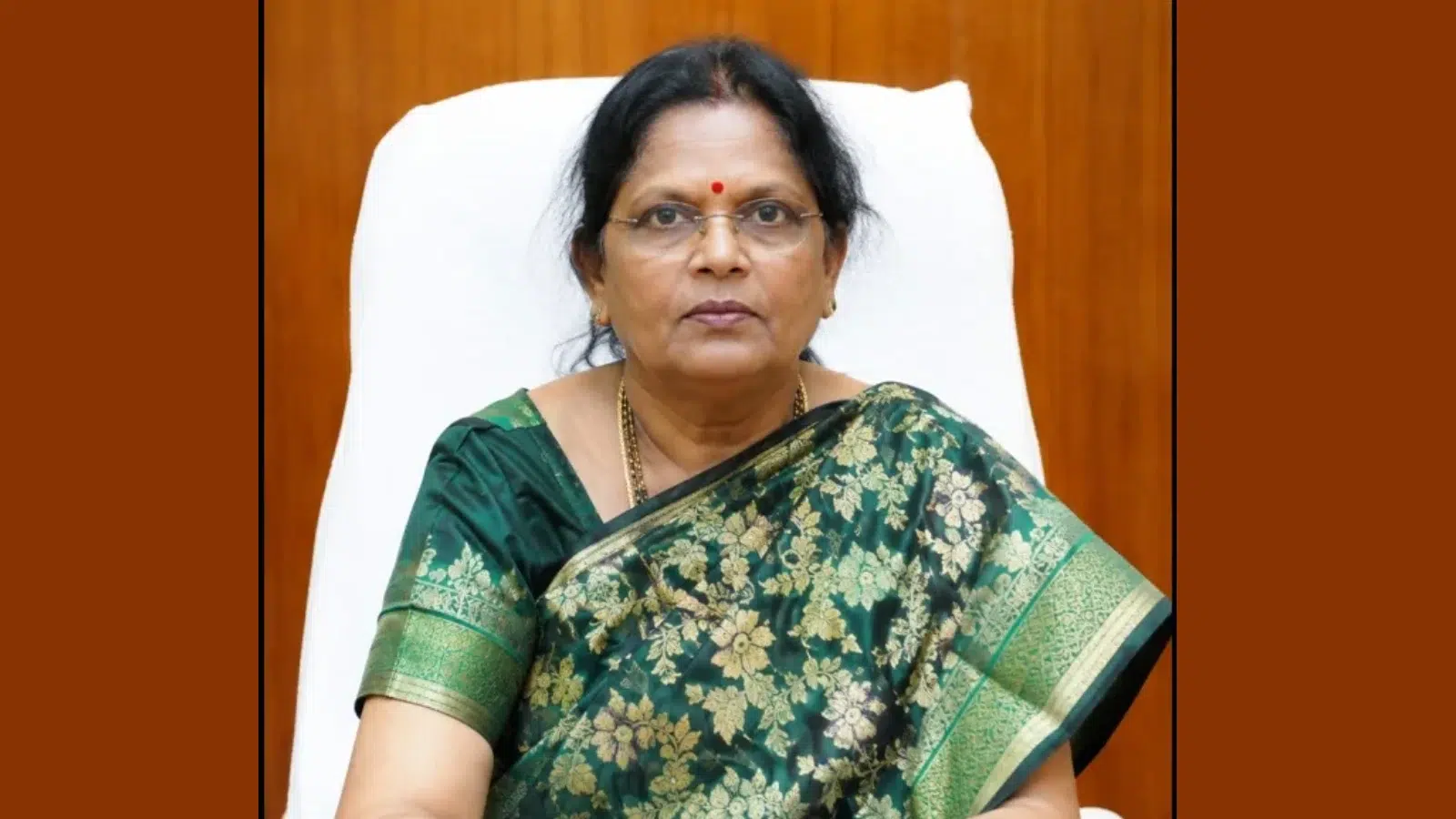
- Varsha Ashok Aglawe becomes first woman to head GSI in 176 years
- She succeeds Asit Saha and brings three decades of geoscientific expertise
- Priority areas include critical mineral exploration and offshore mining
Varsha Ashok Aglawe has been appointed the 54th director general of the Geological Survey of India (GSI), becoming the first woman to lead the 176-year-old geoscientific organisation. She assumed charge on 31 July 2026, succeeding Asit Saha, who held the position from 27 July 2024.
The appointment marks a significant milestone for GSI, an institution under the Ministry of Mines that serves as the country’s primary agency for geological mapping, mineral exploration and geoscientific research. With India intensifying efforts to secure domestic supplies of critical minerals essential for electric vehicles, semiconductors and renewable energy infrastructure, the new director general takes charge at a pivotal moment for the organisation.
EVENT

Infosec Reimagined
Infosec Reimagined 2026 is the premier information security summit where top leaders—CISOs, CROs, CIOs, CTOs and risk executives—converge to redefine cyber resilience.
EVENT


Digital Senate
Digital Senate is a premier conference uniting government leaders, technologists and innovators to share ideas, success stories and strategies on digital governance, public sector transformation, cybersecurity and emerging technologies in India.
EVENT


CIO Prism
CIO Prism unites forward-thinking technology leaders to exchange transformative insights, shape digital strategies, and foster innovation, empowering enterprises to excel in an era of rapid technological change.
EVENT


National DefTech Summit
Featuring keynotes, expert panels, live tech demos and strategic networking, the summit will drive actionable insights for defence sector.
Aglawe, a geoscientist with more than three decades of experience, joined GSI in 1992 after serving with the Indian Bureau of Mines. Before her appointment, she was additional director general and head of department for GSI’s Eastern Region in Kolkata. During her career, she has held scientific and administrative positions across GSI’s Central, Northern and Eastern Regions, as well as at the Central Headquarters.
Critical minerals focus
Upon taking office, Aglawe outlined priorities aligned with the government’s push for mineral security. She emphasised accelerating exploration of deep-seated and concealed mineral deposits through advanced geophysical investigations and fast-tracked exploration programmes. Strengthening laboratory infrastructure was identified as another immediate priority.
The director general highlighted the need to expand offshore mineral exploration, an area gaining strategic importance as land-based reserves face depletion pressure. India’s exclusive economic zone, extending 200 nautical miles from its coastline, contains significant untapped mineral potential that GSI is positioned to assess.
“The organisation is well positioned to meet the nation’s growing demand for critical and strategic minerals while contributing to sustainable resource development through geoscientific excellence and innovation,” Aglawe said.
Beyond mineral exploration, she identified natural hazard studies and glaciology as priority areas for GSI’s public-good geoscience programmes. Capacity building for young geoscientists and enhanced scientific publications were also noted as focus areas.
Research contributions
Aglawe specialises in palaeontology, the study of ancient life through fossils, and palynology, the analysis of microscopic plant spores and pollen. Her research has focused on Late Cretaceous-Palaeocene sediments, geological formations dating back approximately 66 million years, and the Satpura-Gondwana basins in central India.
Advertisement
Her fieldwork identified the Salbardi-Ghorpend area as a new dinosaur nesting site in Central India, adding to the limited number of such sites documented globally. She has contributed to international research through collaborative palaeontological studies with the University of Michigan Museum of Paleontology in the United States.
The K-T boundary, a geological marker separating the Cretaceous and Palaeogene periods that corresponds to the mass extinction event that wiped out non-avian dinosaurs, has been a particular focus of her research. Such studies help scientists understand past climate shifts and extinction patterns.
In addition to fieldwork, Aglawe has contributed to GSI’s institutional development. She established a palynology laboratory at the Northern Region office in Lucknow and led multidisciplinary geoscientific programmes across the country.
By the numbers
- 176 years
- Age of GSI, India’s oldest geoscientific body
- 3 decades
- Aglawe’s professional experience in geoscience
- 54th
- Director general position Aglawe now holds
Her international experience includes representing GSI as a member of the Indian delegation to the Prospectors and Developers Association of Canada (PDAC) conference in Toronto in 2023. PDAC is the world’s largest annual gathering of the mining and exploration industry.
GSI, established in 1851 to survey coal deposits, has evolved into a comprehensive geoscientific organisation responsible for geological mapping, mineral resource assessment, groundwater studies and natural hazard monitoring across India. The organisation operates through regional offices and maintains research facilities for geological, geophysical and geochemical investigations.
Your Questions, Answered
Who is the new director general of the Geological Survey of India?
Varsha Ashok Aglawe has been appointed as the 54th director general of the Geological Survey of India. She assumed charge on 31 July 2026, becoming the first woman to head the organisation in its 176-year history.
What are the priorities of the new GSI director general?
Aglawe has outlined priorities including accelerating exploration of deep-seated mineral deposits, expanding offshore mineral exploration, strengthening laboratory infrastructure and enhancing capacity building for young geoscientists.
What is the Geological Survey of India responsible for?
GSI is India’s primary agency for geological mapping, mineral exploration, groundwater studies and natural hazard monitoring. Established in 1851, it operates under the Ministry of Mines and conducts geoscientific research across the country.
What is Varsha Aglawe’s area of expertise?
Aglawe specialises in palaeontology and palynology. Her research focuses on Late Cretaceous-Palaeocene sediments and the Satpura-Gondwana basins. She identified a new dinosaur nesting site in Central India.