

Key Points
- India’s AI adoption will depend on low-latency, energy-efficient data centre infrastructure built for nationwide scale.
- Data centres are becoming central to AI growth as generative AI and automation increase compute demand.
- Wider AI access requires regional digital backbones, specialised skills, sustainable manufacturing and Made-in-India infrastructure capability.
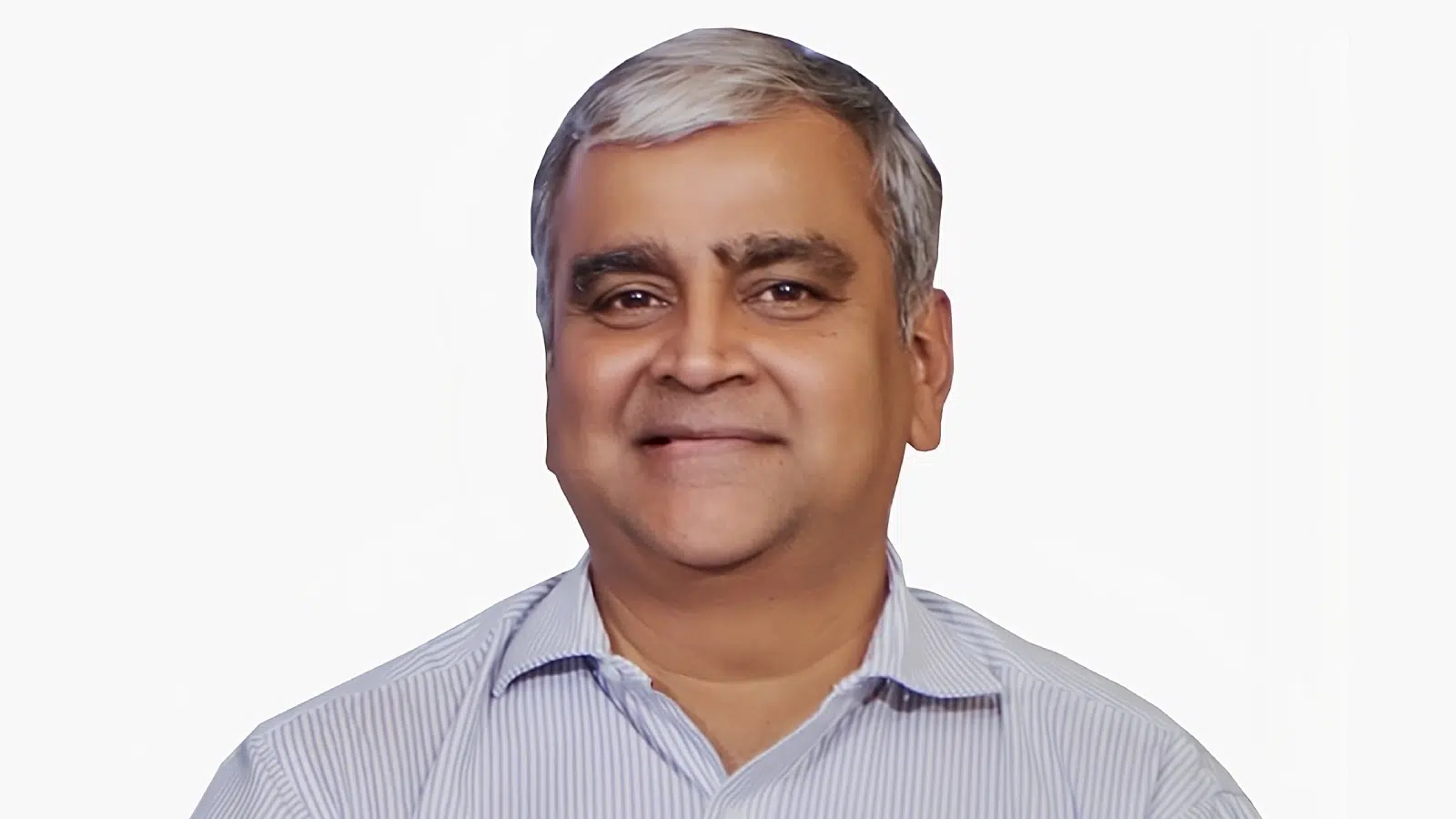
India’s next phase of artificial intelligence adoption will depend on how quickly the country builds low-latency, energy-efficient data centre infrastructure, according to Dr Badri Gomatam, Group Chief Technology Officer at Sterlite Technologies Limited.
Speaking ahead of National Technology Day on 11 May, Gomatam said the central challenge is ensuring that AI innovation scales responsibly with measurable impact.
EVENT

Saksham Bharat 2026
A multi-stakeholder dialogue on skilling gap in Cybersecurity, Data Resilience and AI — and the roadmap to a Saksham Bharat.
EVENT


VeeamON 2026 Tour India – Mumbai
A VeeamON 2026 India Leadership Series Mumbai for senior public sector and government technology leaders.
EVENT


Cyber Surakshit Uttar Pradesh
Find out strategies, frameworks and solutions for building a resilient and secure digital ecosystem across Uttar Pradesh.
EVENT


VeeamON 2026 Tour India – Bengaluru
A VeeamON 2026 India Leadership Series Bengaluru for senior public sector and government technology leaders.
EVENT


VeeamON 2026 Tour India – Delhi
A VeeamON 2026 India Leadership Series Delhi for senior public sector and government technology leaders.
EVENT


Infosec Reimagined
Infosec Reimagined 2026 is the premier information security summit where top leaders—CISOs, CROs, CIOs, CTOs and risk executives—converge to redefine cyber resilience.
EVENT


Digital Senate
Digital Senate is a premier conference uniting government leaders, technologists and innovators to share ideas, success stories and strategies on digital governance, public sector transformation, cybersecurity and emerging technologies in India.
EVENT


CIO Prism
CIO Prism unites forward-thinking technology leaders to exchange transformative insights, shape digital strategies, and foster innovation, empowering enterprises to excel in an era of rapid technological change.
Gomatam assertions reflect a broader shift in India’s technology conversation as AI moves from experimentation to mainstream deployment across enterprises, government services and consumer applications.
“On this National Technology Day, it is important to scale innovation responsibly while creating meaningful impact,” Gomatam said. “At STL, we see AI and data centre infrastructure as key enablers of this transformation.”
The demand for robust digital infrastructure is rising as enterprises, cloud platforms, public agencies and digital service providers increase their reliance on AI-led systems.
These systems require high-speed data movement, minimal latency — the delay between sending a request and receiving a response — and consistent uptime. Weak connectivity or inefficient infrastructure can constrain performance as AI adoption expands.
Data centres become central to AI economy
Data centres have emerged as critical components of the AI economy. The growth of generative AI, analytics, automation and connected platforms is driving demand for compute capacity and energy-efficient infrastructure.
For India, this presents both an opportunity and a challenge: the country must expand its digital backbone while ensuring new infrastructure remains sustainable, secure and scalable.
Advertisement
Gomatam said STL’s AI-driven data centre solutions, supported by advanced fibre and copper cabling systems, aim to build networks capable of handling growing AI workloads.
“As demand for AI infrastructure rises globally, we remain focused on strengthening digital backbones that drive economic growth, enable next-generation skills and expand inclusive access to AI-led services,” he said.
The reference to inclusive access emphasises a significant concern. AI-led services will have limited impact if they remain concentrated in large enterprises or major urban centres.
For wider adoption, India will need digital infrastructure that supports industry, education, public services and emerging technology use cases across regions, not just in metropolitan areas.
Skills gap poses additional challenge
AI infrastructure requirements extend beyond hardware and networks. The sector needs engineers, data centre specialists, cyber security professionals, network architects and technicians who can design, deploy and maintain advanced digital systems. As AI workloads grow, demand for such specialised talent is expected to increase significantly.
Gomatam linked future digital networks with domestic manufacturing capability, saying India’s approach should be anchored in “responsible innovation, sustainable manufacturing and Made-in-India solutions”.
That statement aligns with the government’s broader policy push to build domestic technology capacity in critical infrastructure areas.
National Technology Day is observed annually on 11 May to mark India’s technological achievements, including the 1998 Pokhran nuclear tests.
Your Questions, Answered
What infrastructure does India need for AI adoption?
According to STL, India needs low-latency, energy-efficient and scalable digital networks supported by advanced data centre infrastructure. This includes high-capacity fibre and copper cabling systems capable of handling AI workloads.
Why is data centre infrastructure important for AI?
AI systems require high-speed data movement, minimal latency and consistent uptime to operate at scale. Data centres provide the compute capacity needed for generative AI, analytics and automation applications.
What is National Technology Day in India?
National Technology Day is observed annually on 11 May to mark India’s technological achievements, including the 1998 Pokhran nuclear tests. It has become a platform to discuss technology’s role in economic growth and industrial transformation.
What skills are needed for AI infrastructure?
The sector requires engineers, data centre specialists, cyber security professionals, network architects and technicians who can design, deploy and maintain advanced digital systems as AI workloads increase.